COMPANY NEWS
Fortifying the Safety Defense Line in High-Risk Scenarios | Mist Shower
In sectors such as pharmaceutical chemicals, R&D laboratories for highly active drugs, and specialty chemical manufacturing, the increasingly widespread use of highly active, highly toxic, and allergenic powders has placed growing pressure on occupational health and environmental protection efforts. Many highly active active pharmaceutical ingredients (APIs), toxicity test samples, and allergenic powders consist of microscopic particles that are difficult to detect with the naked eye; throughout production and experimental processes, these particles easily adhere to the surfaces of protective suits, hoods, and gloves.
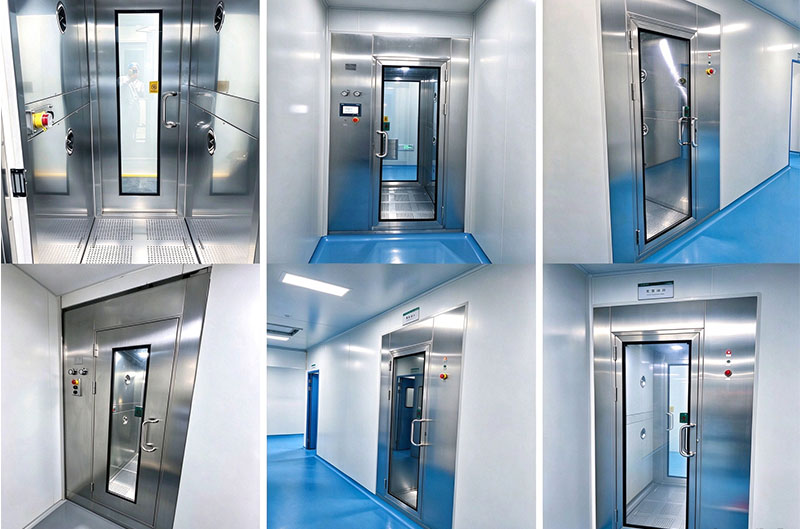
When personnel finish their tasks and remove their protective suits only after exiting the high-risk zone, toxic dust adhering to the clothing can be released into the air as suspended aerosols due to friction and shaking. On one hand, the inhalation of this dust poses health risks such as chronic poisoning, allergic reactions, and occupational injuries. On the other hand, the airborne dust can cause cross-contamination in external cleanrooms and laboratory areas—leading to product contamination—or even spread to the surrounding environment, creating a dual challenge for the enterprise regarding regulatory compliance and personnel health.
As specialized biosafety equipment serving as a critical risk control point at the exit of high-risk clean zones, the AN mist shower is specifically designed for operations involving toxic dust. It replaces traditional air showers with an innovative "water mist for dust containment" approach, addressing a key gap in personnel exit protection and establishing an integrated safety barrier for personnel, the environment, and products.
I. Working Principle
Using mist to trap dust, curbing the dispersal of dust aerosols at the source.
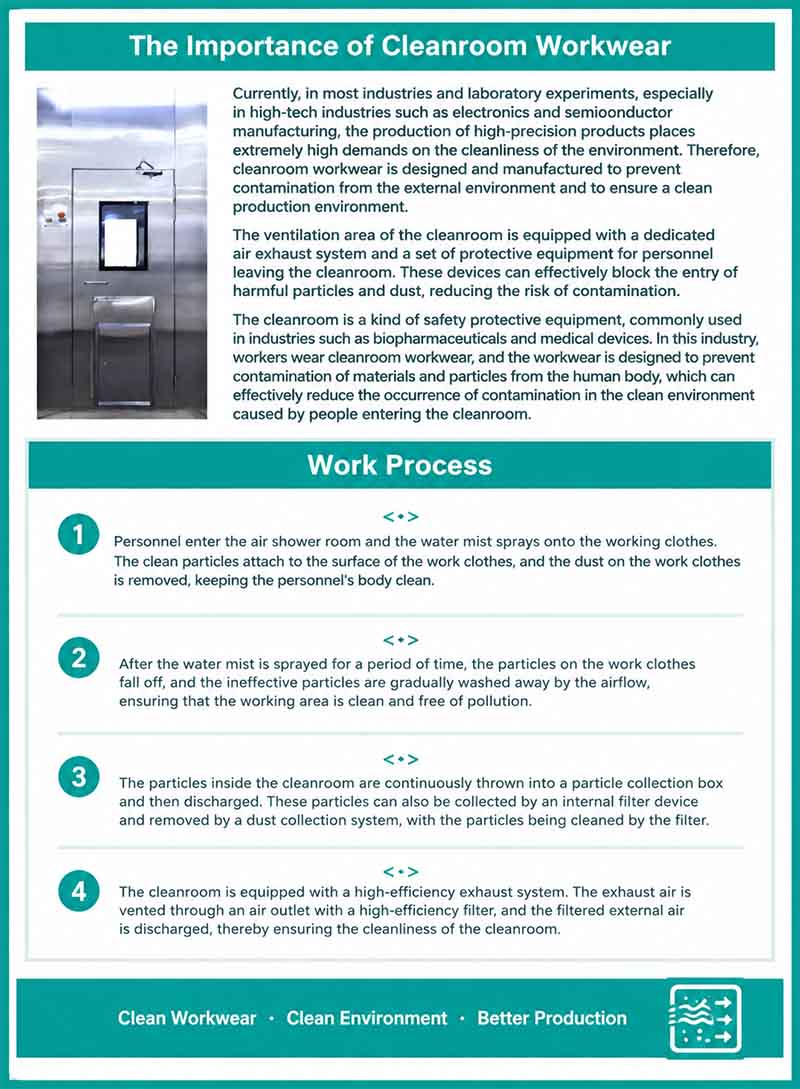
Upon completing tasks in a high-risk zone, personnel wearing full protective gear enter the mist shower chamber from the controlled area. The system initiates an atomization process in which an ultrasonic device generates a dense, fine mist that sprays the entire surface of the protective suit from all directions. The mist thoroughly saturates the fabric, causing toxic dust and particulate matter—trapped in seams and folds—to adhere to and become encapsulated by the water droplets, effectively locking the dust onto the suit.
Thanks to this mist-induced saturation, dust does not become airborne even when personnel perform vigorous movements such as raising their arms, bending over, or removing their suits; this fundamentally prevents the generation of toxic aerosols and eliminates the risk of inhalation-related harm.
To address hard-to-reach areas—such as garment seams, cuffs, hat brims, and waistbands—that standard spray systems might miss, the equipment is equipped with handheld water and air guns. Operators can use these tools to perform targeted, high-pressure washing and air-purging on areas where the initial spray penetration is insufficient, ensuring thorough cleaning of edges and crevices and achieving comprehensive, spot-free coverage across the entire garment.
The equipment chamber is specifically equipped with a sealed bin for discarded clothing; following the mist shower process, staff can remove their protective suits and disposable protective gear directly within the sealed enclosure, depositing the contaminated items immediately into the bin for collection and disposal. Contaminated clothing never leaves the mist shower chamber during this process, preventing the spread of contaminants and ensuring maximum protection of the cleanliness level in the external cleanroom.
II. Core Systems
Stable, long-term operation under harsh working conditions
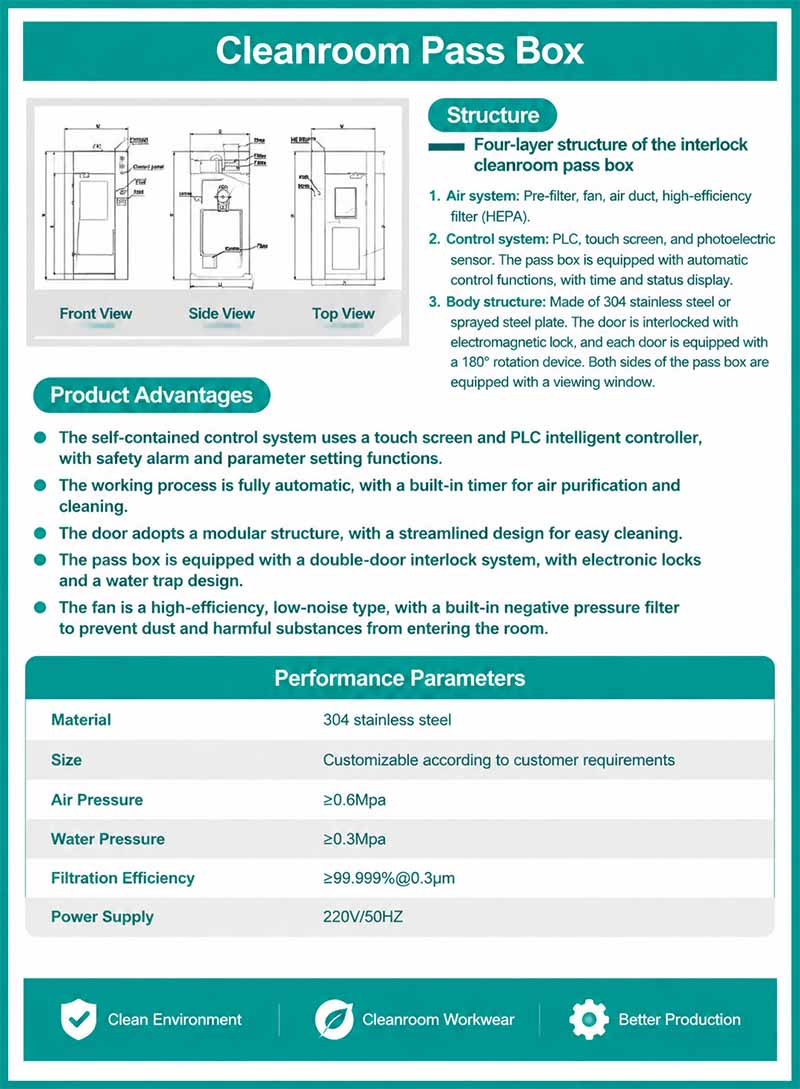
The AN mist shower utilizes a standardized modular design, integrating four key modules—water, spray, automatic control, and enclosure systems—to ensure operational safety, stability, and ease of maintenance. It is ideally suited for high-standard controlled environments, such as pharmaceutical GMP facilities and biological laboratories.
Q: Water system
A: It consists of a dedicated water supply pipeline, control valves, pressure sensors, and water circuit components to monitor the status of the water system in real time. The equipment requires an operating water pressure of 0.3 MPa–0.6 MPa, ensuring a stable supply for optimal atomization. Water circuit components undergo anti-corrosion treatment to withstand long-term humid conditions, thereby reducing malfunctions caused by pipeline rust or clogging.
Q: Spray system
A: Equipped with an ultrasonic atomization system—distinct from high-pressure water spraying—it generates a fine, micron-level mist with uniform, gentle droplets; this ensures thorough wetting of protective suits without causing excessive pooling, thereby preventing microbial growth associated with accumulated water. An omnidirectional spray layout guarantees complete coverage within the chamber with no blind spots, efficiently capturing various types of fine, toxic dust from the surface of the protective suits.
Q: Automatic control system
A: The system utilizes an industrial-grade PLC paired with a high-definition touchscreen HMI for intuitive operation, allowing on-site customization of parameters—such as mist shower duration and exhaust delay—to meet specific process requirements. It integrates multiple safety alarm systems that trigger automatic audible and visual alerts for issues like water system anomalies, abnormal door status, or fan failures, prompting personnel to address potential hazards. Additionally, the equipment logs operational data, facilitating daily inspections and meeting traceability management requirements.
Q: Building envelope system
A: The main structure is assembled from 304 stainless steel panels, offering resistance to corrosion, moisture, and disinfectant wiping, making it suitable for high-humidity environments. Each independent mist shower unit operates in isolation without mutual interference. The system supports full customization, allowing the chamber specifications to be adjusted based on site-specific doorway dimensions, personnel throughput, and available space.
III. Core Product Advantages
Ultrasonic atomization system
Dual-door electronic interlock safety design
Electronic interlocking mechanisms are installed at the entry and exit points to ensure that the two doors cannot be opened simultaneously; this isolates the high-risk controlled zone from the external clean area, prevents airflow between zones of different cleanliness levels, and mitigates the risk of cross-zone contaminant spread.
High-efficiency exhaust protection with slight negative pressure
Equipped with a dedicated exhaust fan and high-efficiency exhaust filtration, the system maintains slight negative pressure within the chamber throughout operation; this prevents the escape of toxic, hazardous substances and aerosols even when the door is open, thereby reducing the risk of cross-contamination and meeting biosafety requirements.
Hygienic and user-friendly design
The interior features fully rounded corners, eliminating sanitary dead zones where dirt or dust might accumulate, thereby facilitating daily wiping, disinfection, and cleaning. The door and cabinet body utilize an integrated structure with smooth welds and an aesthetically pleasing appearance; this design reduces the workload for cleaning and maintenance while complying with GMP hygiene standards for the pharmaceutical industry.
Intelligent human-machine interaction, adaptable to diverse processes.
The touchscreen interface ensures simple operation, allowing even beginners to get up to speed quickly; parameters such as mist shower duration and exhaust delay are flexibly adjustable, enabling the system to match appropriate operating procedures to powders of varying toxicity levels and protective suits of different protection ratings.
Corrosion-resistant unit; durable and easy to maintain.
The entire housing is made of 304 stainless steel, resistant to long-term exposure to disinfectants and moisture; the modular design facilitates maintenance and component replacement, thereby reducing long-term operation and maintenance costs.
Highly customized services
In addition to standard models, we offer custom solutions tailored to specific personnel traffic requirements, with options ranging from single-user to multi-user configurations. Extended features—such as disinfection systems, waste fluid collection, and access control integration—can be added to suit the specific operational conditions of laboratories and pharmaceutical production facilities.
Primary Use Cases:
Biosafety laboratories handling highly active and highly toxic powders
Pharmaceutical and chemical production workshops for Highly Potent Active Pharmaceutical Ingredients (HPAPIs)
Exit points for production lines handling allergenic or anti-tumor drugs
Exit points for personnel involved in the feeding and handling of toxic powders in the chemical industry
Clean operation areas involving the handling of various toxic powdered materials, where personnel must transition from controlled high-risk zones to uncontrolled zones
