air laminar flow bench
- 1/1
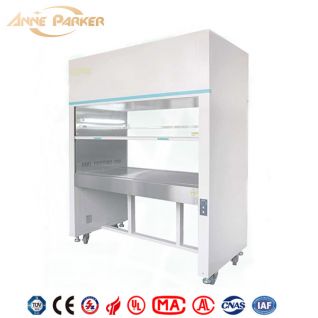
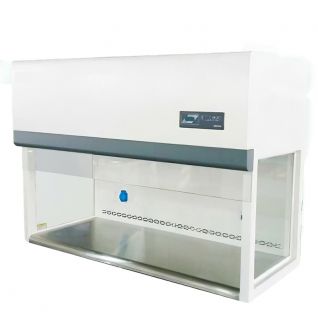
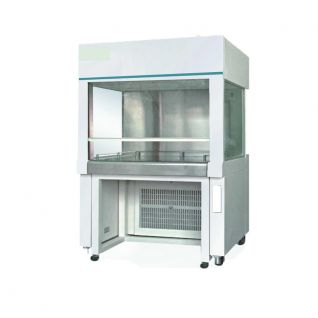
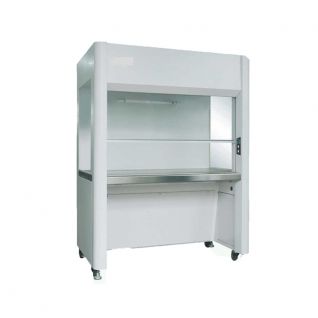
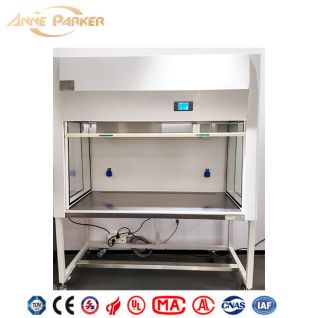
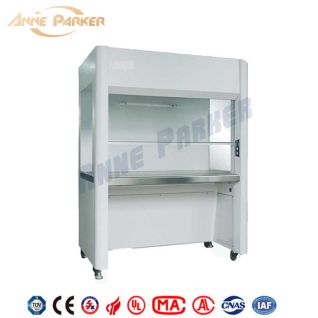
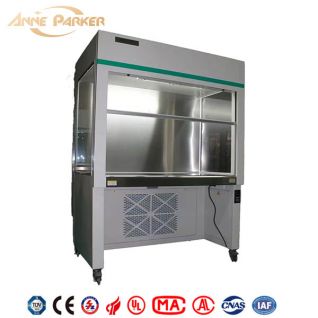
Vertical Laminar Flow Clean Bench:
Airflow Direction: Clean air flows vertically downwards from the top, passing through the work area and then exiting or recirculating from the bottom. Protected Objects: Primarily protects the samples/materials being handled—applicable scenarios include microbiological experiments, cell culture, pharmaceutical dispensing, and electronic component assembly.
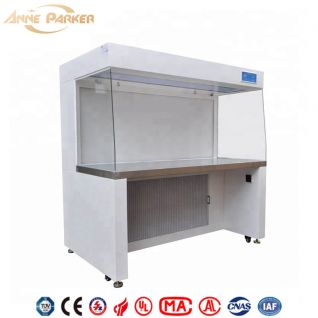
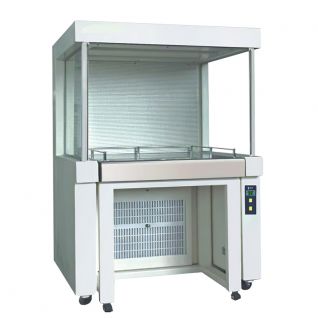
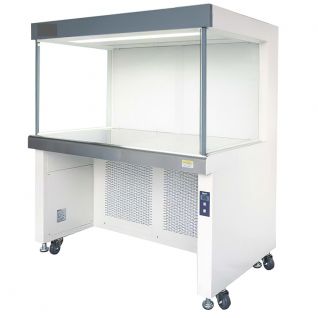
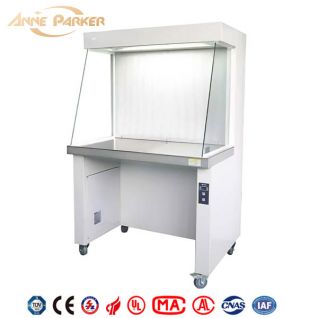
Horizontal Laminar Flow Clean Bench:
Airflow Direction: Clean air flows horizontally from the back to the front, directly covering the work area. Protected Objects: Primarily protects the samples/materials being handled (the airflow does not pass through the operator). Applicable Scenarios: Handling of samples that are not hazardous to the operator, such as electronic chips and precision optical components.
The core of a clean workbench is air purification combined with directional airflow organization. The specific process is as follows:
1. Pre-filtration: Ambient air first enters the pre-filter, which filters out large dust particles (particle size ≥5μm) to protect the subsequent high-efficiency filter.
2. High-efficiency filtration: The pre-filtered air is then sent by a fan into a high-efficiency particulate air (HEPA) filter. This is the core filtration component, which can filter out particles with a size ≥0.3μm, with a filtration efficiency of over 99.97%, ultimately producing clean air. 3. Airflow organization: The clean air is delivered to the workbench operating area, forming a "clean air curtain" through a specific airflow direction. This prevents unpurified external air from entering the operating area and simultaneously removes pollutants generated during the operation.
1. Cabinet Frame: Mostly made of stainless steel or powder-coated cold-rolled steel, corrosion-resistant and easy to clean, supporting the entire equipment and forming a closed space.
2. Filtration System: • Pre-filter: Generally made of non-woven fabric, requiring regular cleaning or replacement (approximately every 1-3 months). • HEPA filter: Made of glass fiber filter paper, with high filtration efficiency, and a replacement cycle of approximately 6-12 months (depending on usage frequency).
3. Fan System: Provides stable airflow, mostly using variable-speed fans to control the airflow speed in the operating area.
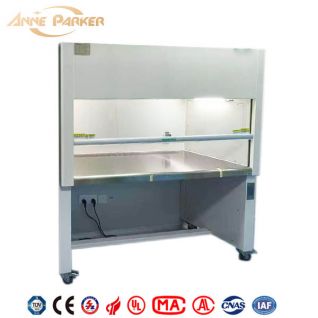
4. Operating Area Countertop: Made of 304 stainless steel, smooth and seamless, facilitating disinfection and sterilization.
5. Control Panel: Used to control fan start/stop, airflow speed adjustment, UV lamp switch, and other functions.
6. Auxiliary Components: Including UV germicidal lamp (for disinfection before operation), lighting, splash guard, etc.
